
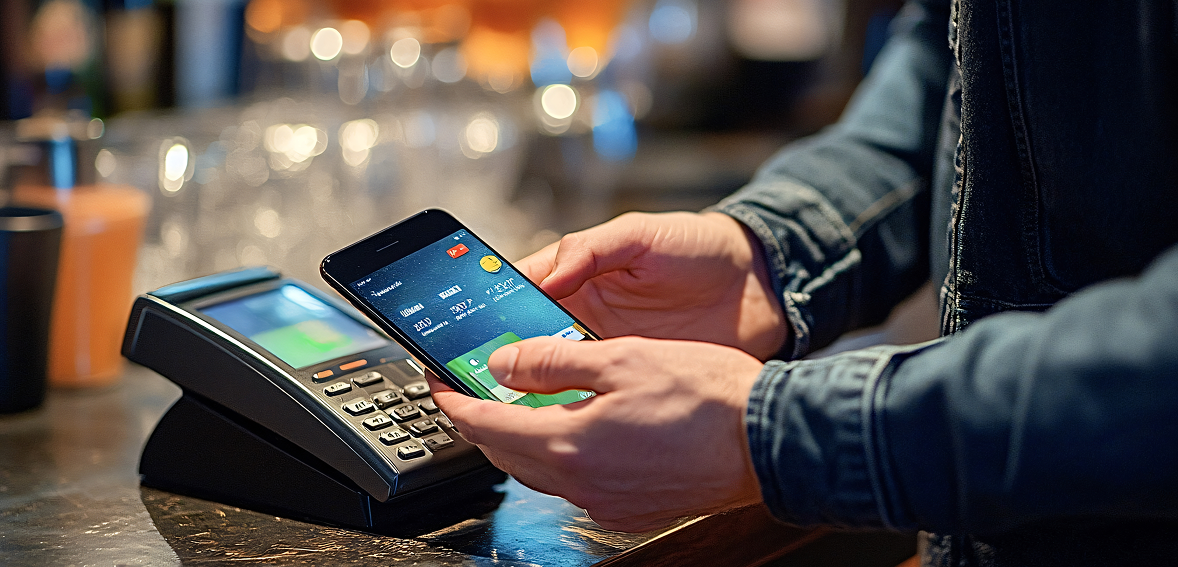
The checkout experience has changed more in the last few years than it did in the previous decade. Customers no longer view digital payments as a convenience or a premium feature. For many people, fast and flexible payment options are now the minimum expectation when interacting with a business. Mobile payment solutions have fundamentally reset what a good checkout experience looks like — whether someone is ordering coffee, shopping at a market stall, booking a service appointment, or paying after a repair visit.
This shift is being driven by everyday habits. People now use smartphones for communication, banking, travel bookings, food delivery, subscriptions, and shopping. As mobile-first behaviour becomes normal, expectations around checkout experiences are changing as well. Businesses that fail to adapt often discover that convenience plays a major role in customer satisfaction and repeat purchases.
Customers Expect Faster Checkout Experiences
One of the biggest changes mobile payments have introduced is speed. Customers have become used to tapping a phone, card, or smartwatch and completing a transaction within seconds — particularly with technologies like tap to pay on iPhone, which processes contactless payments without any additional hardware. Long checkout times now feel frustrating, especially in busy environments where people expect efficiency. Speed does more than improve convenience — it shapes how customers perceive a business overall.
Flexibility Has Become Part of Customer Service
Customers no longer expect businesses to accept only one or two payment methods. Mobile payments have expanded expectations around flexibility. People now assume businesses can handle cards, contactless methods, digital wallets, payment links, or text-based payment requests depending on the situation. This is especially important for businesses operating outside traditional storefront environments — field service companies, consultants, food trucks, market vendors, trainers, and delivery teams who interact with customers in locations where a traditional mobile POS or card reader for small business is simply impractical.
Mobile Payments Are Influencing Trust
Convenience is important, but trust also plays a major role in modern payment experiences. Digital receipts, secure payment links, contactless transactions, and clear confirmation screens help reassure customers that a transaction has been handled properly. This is particularly important for smaller businesses and independent operators. A technician who can process payment immediately through a phone-based mobile payment solution may appear more reliable than someone who asks for cash or manual bank transfers later.
The Growth of Contactless Behaviour
Contactless payments played a major role in accelerating mobile payment adoption. Customers now notice when businesses cannot support tap-based payments. Younger consumers in particular often prioritise convenience and speed — many carry digital wallets and expect businesses to support modern payment methods including contactless payment apps and tap to pay on iPhone. As mobile-first generations become a larger share of the market, businesses that resist newer checkout experiences may struggle to meet evolving expectations.
Checkout Is Becoming Part of the Overall Brand Experience
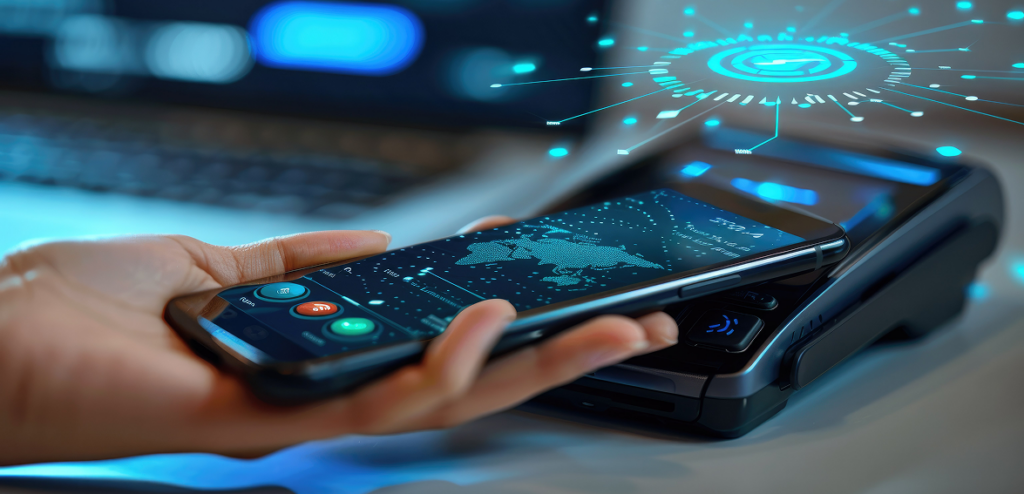
Businesses often focus heavily on products, pricing, and marketing while treating checkout as a purely operational task. Mobile payments are changing that mindset. A smooth checkout process creates a sense of professionalism and ease. This is particularly relevant for service businesses — a consultant, fitness trainer, repair technician, or freelance professional may spend hours delivering a strong customer experience, but the final impression often depends on how the payment process is handled. Modern businesses are therefore treating payment systems as customer experience tools rather than simple transaction processors.
Mobile Payments Are Supporting New Business Models
Businesses now sell through pop-up stores, temporary booths, social media, mobile teams, outdoor events, customer homes, and remote consultations. As customers become used to purchasing in flexible environments, the payment experience must remain consistent across all channels. Someone who books a service online may expect to receive a payment link afterward. A customer visiting a market may expect contactless checkout. A homeowner receiving an on-site repair may expect to pay immediately through a phone-based device. Mobile payment solutions and invoice payment tools have normalised these behaviours.
Businesses Must Balance Convenience With Operational Simplicity
While customer expectations are evolving rapidly, businesses also need systems that are manageable internally. Many businesses now look for payment systems that combine mobile acceptance, invoicing, reporting, customer tracking, virtual terminal capabilities, and remote payments into one connected platform. Customers do not care whether a payment is processed in-store, online, or through a phone-based device — they simply expect the experience to work smoothly every time.
Conclusion
Mobile payments have changed more than the way transactions are processed. Speed, flexibility, simplicity, and convenience are no longer optional extras — they are increasingly viewed as standard parts of a good customer experience. Businesses that recognise these changing expectations and adapt accordingly will be better positioned to meet customer needs in a market where convenience often influences buying decisions just as much as price or product quality. To explore mobile payment solutions, small business payment processing, and more — visit CloudPay Mobile at https://cloudpaymobile.io/. From mobile POS and card reader for small business to virtual terminal, payment links, and tap to pay on iPhone — CloudPay Mobile brings every payment channel into one platform.