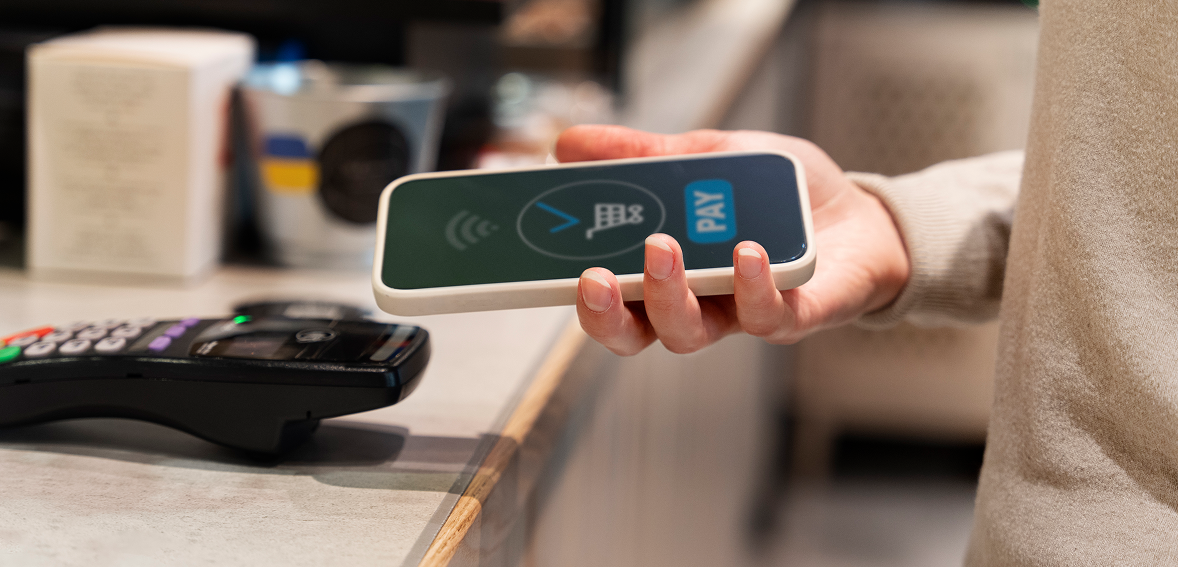
The way businesses accept payments has changed dramatically over the last few years. Checkout is no longer limited to fixed counters, cash registers, or traditional point-of-sale systems inside permanent locations. Businesses are increasingly operating in flexible environments where mobility matters just as much as functionality. Phone-based checkout — a core capability within modern mobile payment solutions — is becoming an essential part of everyday business operations.
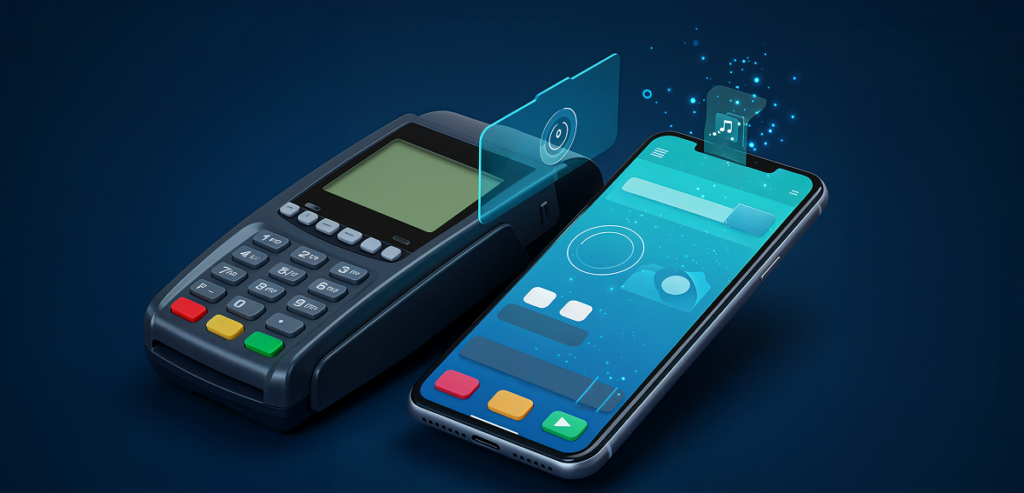
For many companies, the smartphone has evolved into far more than a communication device. It is now a payment terminal, customer management tool, reporting interface, and operational hub all in one. Businesses can accept payments directly through a phone, send digital receipts, create payment links, track transactions, and manage customer activity without carrying large hardware setups.
This shift is especially visible among field teams, pop-up sellers, event vendors, and service-based businesses. These businesses need checkout systems that move with them rather than keeping them tied to a fixed location.
Traditional Checkout Systems Were Built for Fixed Locations
For years, payment systems were designed around the idea that business happened at a permanent counter. While this model still works for many businesses, it is less suitable for modern selling environments where flexibility has become essential. Today, businesses increasingly operate on-site at customer locations, at temporary events, through mobile teams, at outdoor markets, at trade shows, and through pop-up activations. Traditional checkout systems can become restrictive in these situations. Phone-based checkout systems emerged as a practical solution because businesses already carry smartphones everywhere they operate.
Smartphones Have Become Business Tools
Modern smartphones are powerful enough to handle many operational tasks that previously required separate systems — scheduling, communication, inventory checks, customer management, invoicing, and payment acceptance. Adding checkout functionality to the same device simplifies workflows significantly. A technician visiting a customer site can complete a service call, process payment immediately, send a receipt, and update records from the same phone.
Field Service Businesses Are Driving Adoption
One of the biggest drivers behind phone-based checkout adoption is the growth of mobile service businesses. Industries such as HVAC, plumbing, electrical repair, cleaning services, maintenance, landscaping, and delivery services often operate entirely outside traditional storefront environments. In the past, many field teams relied on delayed invoicing or manual payment collection. Phone-based checkout changes that workflow completely. Service providers can now accept payment immediately after completing work, process contactless transactions on-site, send digital receipts instantly, save customer payment information securely, and reduce follow-up billing delays.
Pop-Ups and Temporary Sellers Need Portability
Pop-up commerce has expanded rapidly across retail, food, and lifestyle industries. These environments demand portability and fast setup times. Phone-based checkout allows businesses to begin accepting payments quickly without extensive equipment installation. In many cases, sellers only need a smartphone, internet connectivity, and an optional mobile card reader for small business use. The ability to launch quickly is especially valuable for event-driven commerce where setup speed directly affects selling time.
Contactless Behaviour Accelerated the Shift
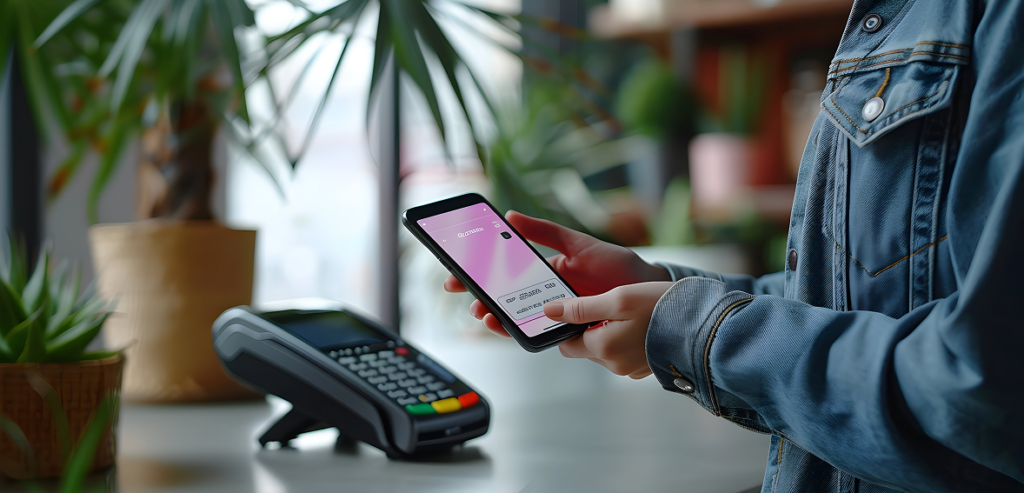
Customer behavior also played a major role in the rise of phone-based checkout. Contactless payments became significantly more popular over recent years, and customers increasingly expect businesses to support tap-based transactions. Many phone-based payment systems — including tap to pay on iPhone — now allow businesses to accept tap cards, mobile wallets, contactless phone payments, and smartwatch payments directly from supported smartphones. This eliminates the need for large dedicated terminals in many situations.
Smaller Businesses Benefit From Lower Hardware Costs
Traditional point-of-sale systems often required significant upfront investment in terminals, receipt printers, registers, networking hardware, and installation. Phone-based checkout systems reduce many of these costs. This is particularly attractive for startups, independent sellers, small retailers, freelancers, and seasonal businesses. Lower hardware dependency allows businesses to remain flexible without large operational commitments.
Real-Time Reporting Supports Mobile Operations
Phone-based checkout systems are not only about payment acceptance. Many platforms also provide real-time reporting and customer management directly through connected dashboards — a key capability within modern mobile payment solutions. This allows businesses to track mobile sales activity, monitor transaction history, manage customer records, issue refunds, and view sales trends from virtually anywhere. For businesses managing multiple field teams or temporary sales environments, this visibility becomes extremely valuable.
The Line Between Mobile and Traditional Checkout Is Blurring
An important trend shaping the industry is the growing overlap between mobile and traditional payment systems. Many businesses now use a combination of phone-based checkout, tablet POS systems, browser-based dashboards, remote invoicing, and payment links within the same operational environment. Businesses increasingly want one account, one reporting system, one customer database, and multiple checkout environments.
Conclusion
The rise of phone-based checkout reflects a larger shift in how businesses operate and how customers expect to pay. Phone-based checkout systems provide businesses with the flexibility to meet customers wherever transactions happen naturally. For field teams, pop-up vendors, event sellers, and mobile businesses especially, phone-based checkout is becoming less of an optional feature and more of a practical operational necessity. To explore mobile payment solutions, small business payment processing, and more — visit CloudPay Mobile at https://cloudpaymobile.io/. From mobile POS and card reader for small business to virtual terminal, payment links, and tap to pay on iPhone — CloudPay Mobile brings every payment channel into one platform.