
Choosing a payment platform has become a far more important business decision than many companies initially realise. For small and growing businesses especially, the payment system is no longer just a tool for processing transactions. It influences customer experience, operational efficiency, reporting accuracy, staff workflows, and long-term scalability. The small business payment processing market has become crowded with options — mobile payments, virtual terminal tools, invoicing, payment dashboard software, point-of-sale systems, and online checkout capabilities. A payment platform should support the way a business already operates while also making it easier to grow.
Understanding How the Business Actually Gets Paid

One of the first things businesses should examine is how payments happen in real life. A retail store with fixed checkout counters has different requirements from a mobile repair company. A café processing high transaction volumes has different needs from a consultant sending invoices remotely. Some businesses rely heavily on repeat customers, while others process one-time transactions in temporary environments such as markets or events. The answers often reveal that businesses need flexibility rather than a one-size-fits-all system.
Ease of Use Matters More Than Feature Volume
Many payment platforms advertise long lists of features, but businesses should focus carefully on usability. Ease of use becomes especially important in industries with high staff turnover or fast-paced environments. Employees need to learn checkout processes quickly without extensive training. Key things to look at include checkout speed, dashboard simplicity, navigation clarity, onboarding difficulty, receipt workflows, and reporting accessibility.
Mobile Flexibility Is Becoming Essential
Even businesses with physical locations increasingly need mobile payment capabilities. Field teams, events, pop-ups, curbside pickup, temporary locations, and remote service appointments all require flexible payment acceptance. Modern payment platforms often support phone-based checkout, contactless acceptance through tap to pay on iPhone or Android, mobile card readers, payment links, browser-based virtual terminals, and invoice payments. The right mobile payment solutions ensure a business can continue accepting payments smoothly regardless of where the transaction happens.
Reporting and Visibility Should Not Be Overlooked
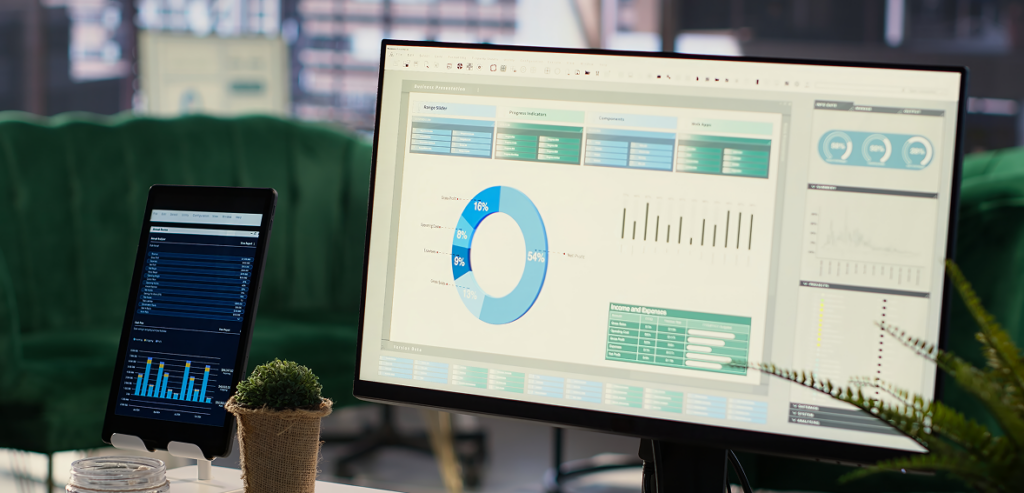
Many businesses focus heavily on payment acceptance while paying less attention to reporting. However, a capable payment dashboard often becomes one of the most valuable aspects of a platform over time. Without centralised reporting, businesses often spend unnecessary time reconciling information from disconnected systems. This becomes even more difficult when companies operate across physical, mobile, and online environments simultaneously. A good platform should make reporting accessible and understandable without requiring advanced technical knowledge.
Customer Experience Should Be a Major Consideration
Modern customers increasingly expect fast checkout, contactless options, digital receipts, payment flexibility, secure payment flows, and smooth mobile experiences. The payment platform therefore becomes part of the overall customer experience. A professional payment workflow can also improve trust — particularly important for smaller businesses, independent operators, and service providers who rely heavily on repeat business and referrals.
Scalability Is Often Ignored Too Early
One common mistake businesses make is choosing a payment platform that works only for their current size. Businesses should consider whether the platform can support multiple locations, additional staff accounts, growing transaction volume, mobile and fixed checkout together, expanded reporting needs, recurring billing, and customer management. Changing payment systems later can be disruptive — customer records, transaction history, reporting structures, and staff workflows may all need migration.
Hardware Compatibility Matters
For businesses using in-person checkout systems, hardware compatibility is important. Some businesses prefer phone-only checkout, others need mobile card readers for small business use, tablet-based mobile POS systems, or countertop terminals. A platform that allows businesses to start with simple mobile acceptance and later expand into countertop workflows may provide more long-term value.
The Importance of Unified Systems
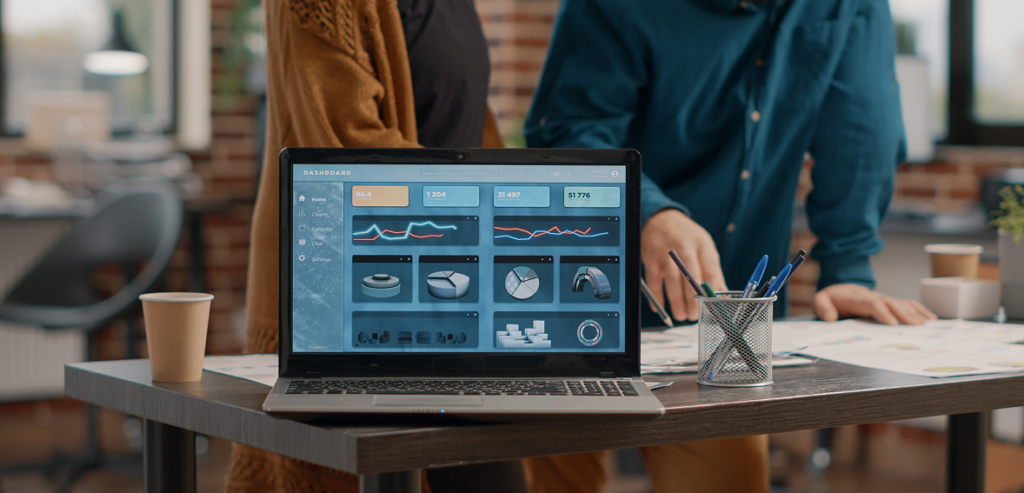
As businesses increasingly sell through multiple channels — in-store sales, online checkout, invoices, remote payments, mobile teams, temporary events — unified payment platforms help centralise customer records, transaction history, reporting, payment methods, refunds, and operational visibility. This reduces administrative workload while improving operational clarity.
Conclusion
Choosing a payment platform is no longer just a technical or financial decision. It directly affects customer experience, operational efficiency, staff workflows, and business flexibility. The best platform is not necessarily the one with the longest feature list or the lowest advertised rate — it is the one that aligns most naturally with how the business actually operates. A well-chosen platform should reduce friction, help businesses adapt to changing customer expectations, and make daily operations easier, clearer, and more connected across every place the business sells. To explore mobile payment solutions, small business payment processing, and more — visit CloudPay Mobile at https://cloudpaymobile.io/. From mobile POS and card reader for small business to virtual terminal, payment links, and tap to pay on iPhone — CloudPay Mobile brings every payment channel into one platform.