

By Carol Ragland May 11, 2026
Service-based businesses operate very differently from traditional retail environments. Payments may happen at customer locations, through invoices, online booking systems, recurring subscriptions, or after services are completed — never at fixed checkout counters. As customer expectations continue evolving, businesses providing services are increasingly recognising that rigid payment systems no longer support the flexibility required for modern operations.
Industries such as salons, fitness studios, consulting firms, home repair services, medical practices, coaching businesses, event companies, cleaning services, freelancers, and field service providers have all experienced growing pressure to modernise how they manage payments. Flexible payment workflows — including mobile payment solutions, invoice payments, and recurring billing tools — are no longer simply operational conveniences. They are becoming strategic business tools that improve customer satisfaction, cash flow management, and scalability.
Why Service Businesses Have Different Payment Needs

Service-based businesses differ fundamentally from traditional retail operations because the transaction journey often extends beyond a simple purchase at a checkout counter. Services may involve consultations, appointments, project milestones, recurring subscriptions, memberships, field visits, or ongoing client relationships. A consultant may invoice clients after project completion, while a fitness studio manages recurring memberships and class bookings simultaneously. A home repair company may collect deposits before work begins and final payments after completion. These operational variations create payment complexity that traditional systems often struggle to handle efficiently.
The Shift Away From Manual Billing Processes
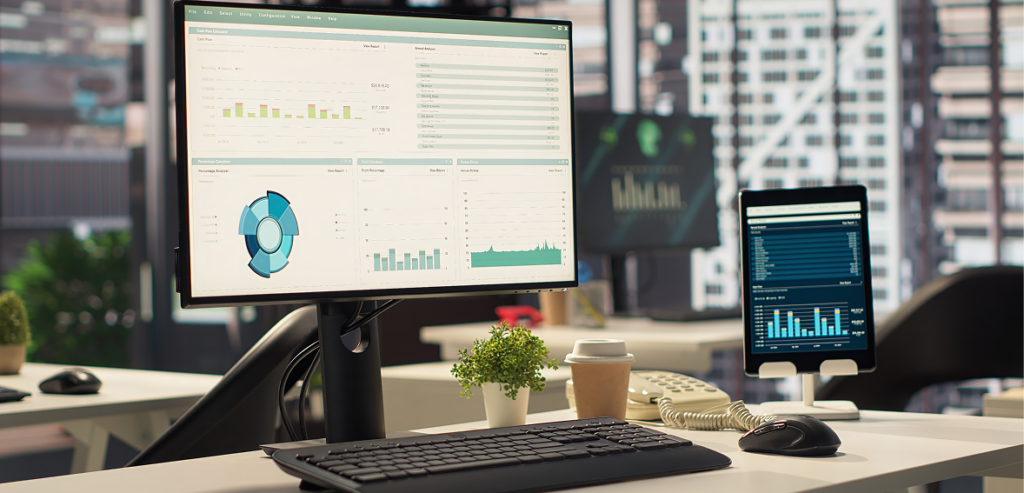
Manual billing processes have long been a source of frustration for many service businesses. Paper invoices, delayed payment collection, disconnected scheduling systems, and manual reconciliation often consume significant administrative time. Modern payment platforms automate many of these processes — generating invoices automatically, scheduling recurring billing, sending payment reminders digitally, and tracking customer balances in real time. Cash flow visibility improves significantly as well through real-time payment dashboard reporting.
Customer Convenience Is Becoming a Competitive Advantage
Customers want flexibility in how they pay. Some prefer digital wallets, others prefer saved card profiles, installment options, bank transfers, recurring billing, or contactless mobile payments. Businesses offering limited payment methods may unintentionally create friction that affects customer satisfaction. Speed also matters — service providers who simplify payment experiences often create stronger impressions of professionalism and operational efficiency. Subscription-based services continue growing across industries such as fitness, wellness, consulting, maintenance services, and education.
Mobile Payment Flexibility for Field Teams
Field service businesses face unique operational challenges because employees frequently work outside traditional office environments. Mobile payment solutions allow field teams to process payments directly from smartphones or tablets. Employees can send invoices, collect card payments through a mobile POS or tap to pay on iPhone, generate receipts, and update customer records immediately after services are completed. This flexibility improves cash flow because payments occur faster and reduce the risk of unpaid invoices. For businesses operating mobile service models, flexible payment workflows are increasingly becoming operational necessities.
Recurring Billing and Subscription Services
Recurring billing has become increasingly important across many service industries. Gyms, wellness studios, software providers, maintenance services, consulting retainers, education platforms, and membership-based businesses increasingly rely on subscription revenue models. Modern platforms support automated subscription workflows that simplify recurring revenue management. Customers benefit from convenience because payments occur automatically without repeated manual transactions. Businesses benefit from more predictable revenue streams and reduced administrative workload.
Integration With Scheduling and CRM Systems
One of the biggest operational improvements in modern payment workflows involves integration with scheduling and customer relationship management systems. Integrated platforms simplify these workflows significantly — appointment bookings can trigger automated invoices, payment confirmations, reminder notifications, and customer account updates automatically. This also improves the payment dashboard experience as businesses gain clearer visibility across scheduling, payments, customer retention, and revenue performance simultaneously.
Security and Trust in Modern Payment Systems

Customers increasingly expect businesses to handle payments securely and professionally. Modern payment platforms invest heavily in encryption, fraud prevention, compliance management, and secure payment processing infrastructure. Small service businesses benefit from these protections without needing dedicated internal security teams. Secure mobile payment solutions also improve trust during field interactions because customers increasingly expect professional digital options rather than cash-only transactions or delayed invoicing.
Conclusion
The growing demand for flexible payment workflows reflects broader changes in how service businesses operate and how customers expect to interact with brands. Traditional payment systems built around fixed retail checkout models often struggle to support modern service environments involving mobile teams, subscriptions, recurring billing, remote interactions, and multi-channel customer experiences. Flexible payment platforms improve operational efficiency by automating invoicing, integrating scheduling systems, supporting mobile transactions, and simplifying recurring billing management. Service businesses increasingly recognise that payment systems are no longer simply financial tools — they directly influence customer satisfaction, cash flow management, operational scalability, and brand perception.To explore mobile payment solutions, small business payment processing, and more — visit CloudPay Mobile at https://cloudpaymobile.io/. From mobile POS and card reader for small business to virtual terminal, payment links, and tap to pay on iPhone — CloudPay Mobile brings every payment channel into one platform.