Why Small Businesses Are Moving Away From Traditional POS Setups
Small businesses have experienced significant changes in the way they manage sales, payments, customer interactions, and daily operations over the last decade. Traditional point-of-sale systems, once considered the backbone of retail and service transactions, are no longer meeting the expectations of many modern businesses. Earlier POS systems were designed primarily for fixed-location stores with dedicated hardware, cash registers, and local software installations. As mobile payment solutions, cloud technology, and flexible customer experiences have emerged, many entrepreneurs are moving toward more agile, mobile-friendly platforms — including mobile POS, contactless payment apps, and unified payment dashboard tools.
The Limitations of Traditional POS Systems
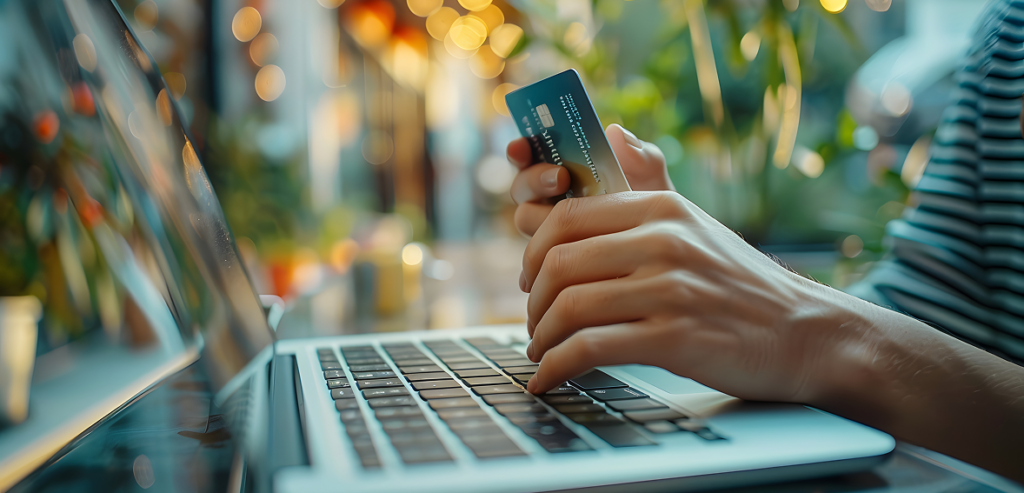
Traditional POS systems were originally built for a very different business environment. One major issue is hardware dependency — many older setups require expensive proprietary equipment that can only function within fixed locations. This creates operational limitations for businesses that want flexibility or mobility. If a business expands to events, temporary pop-ups, outdoor markets, or remote services, traditional systems often become difficult or expensive to adapt. Traditional setups also tend to operate in isolated environments, with inventory data, payment records, customer profiles, and online sales existing in separate systems that do not communicate efficiently.
The Shift Toward Cloud-Based Payment Platforms
Cloud technology has played a major role in transforming how businesses manage payments and operations. Unlike traditional POS systems that depend heavily on local infrastructure, cloud-based platforms store information securely online and allow businesses to access operational data from virtually anywhere. A restaurant owner can monitor sales remotely, a boutique retailer can track inventory across online and physical stores simultaneously, and a service provider can process payments directly from a smartphone without relying on a fixed checkout counter. Cloud-based systems also reduce technical maintenance burdens significantly — software updates occur automatically through the provider rather than requiring manual installations or expensive IT support.
Another major advantage involves real-time data access through a connected payment dashboard. Business owners no longer need to wait until the end of the day or manually generate reports to understand sales performance. Modern systems provide live dashboards showing transactions, inventory levels, employee performance, and customer activity instantly.
Why Mobility Has Become Essential
One of the biggest reasons businesses are moving away from traditional POS setups is the growing importance of mobility. Restaurants now use tableside ordering and payment systems. Service providers collect payments directly at customer locations. Retailers process purchases at events, outdoor markets, and temporary pop-up stores. Mobile payment platforms allow businesses to process transactions using smartphones, tablets, or portable card readers for small business use. Employees can move freely while assisting customers instead of directing everyone toward centralised checkout counters — improving customer convenience while reducing wait times.
Customer Expectations Are Driving Change
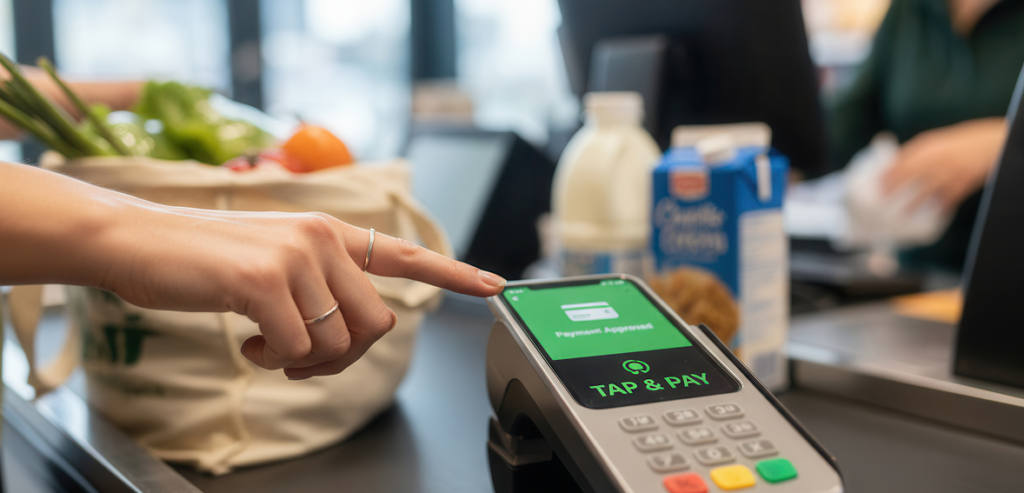
Customers now expect transactions to feel fast, seamless, and technologically convenient regardless of business size. Many customers no longer carry significant amounts of cash and increasingly rely on digital wallets, contactless cards, contactless payment apps, and online ordering systems. Traditional POS systems sometimes struggle to support newer payment methods efficiently. Payment experiences, including tap to pay on iPhone and mobile-friendly workflows, now shape how customers perceive convenience, professionalism, and service quality.
Cost Pressures and Financial Efficiency
Older systems often involve significant upfront investments in hardware, software licenses, installation, and maintenance contracts. For small businesses operating on tighter budgets, these costs can become difficult to justify compared to newer subscription-based platforms with lower startup expenses. Many newer systems operate using tablets or smartphones rather than requiring proprietary terminals or bulky equipment — making a mobile POS or card reader for small business a much more accessible entry point. Operational efficiency improvements also create additional financial value through automated reporting, integrated accounting, and simplified reconciliation.
Integration Across Business Operations
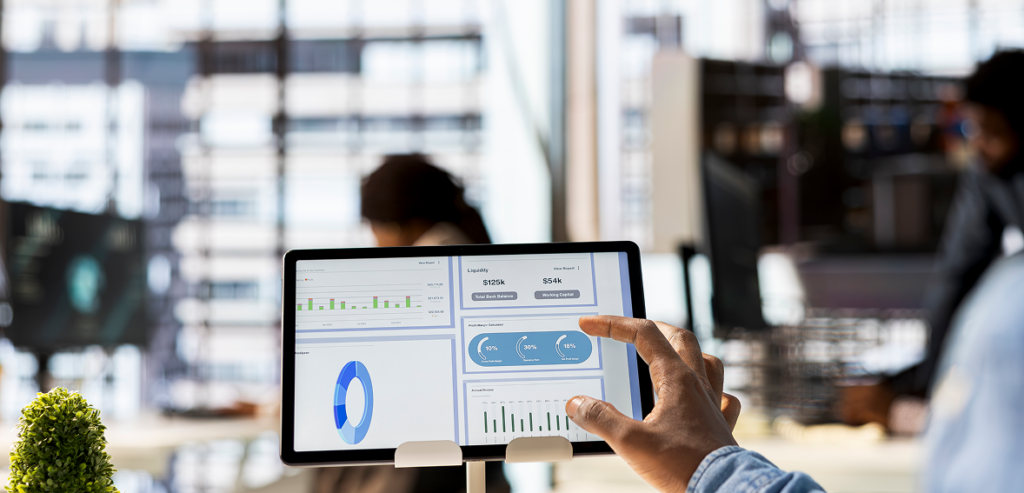
Modern businesses increasingly rely on interconnected digital tools to manage operations efficiently. Newer payment platforms act more like operational hubs connecting multiple aspects of the business ecosystem. Payment data can integrate directly with inventory systems, accounting software, customer loyalty programs, payroll systems, appointment booking tools, and ecommerce platforms. Businesses operating across online and physical channels particularly benefit from integrated systems — unified data environments help owners track performance more accurately while reducing reporting inconsistencies through a single payment dashboard.
Security and Compliance Improvements
Security remains one of the most important concerns within payment processing environments. Modern cloud-based payment providers often invest heavily in encryption, tokenisation, fraud detection, and compliance management. Small businesses benefit from enterprise-level security infrastructure without needing to manage complex systems independently. Automatic updates also improve protection because vulnerabilities can be patched quickly across entire networks. Consumers increasingly expect secure digital payment experiences — businesses using outdated terminals or unsupported systems may unintentionally create concerns about professionalism or transaction safety.
Conclusion
Small businesses are moving away from traditional POS setups because modern operational demands require far greater flexibility, mobility, integration, and scalability than older systems were originally designed to support. Cloud-based payment platforms provide significant advantages through real-time data access, mobile functionality, automated updates, integrated workflows, and reduced maintenance burdens. Businesses operating across multiple channels increasingly need unified systems capable of supporting online sales, in-person transactions, remote services, and digital customer experiences simultaneously. Flexibility, simplicity, and adaptability are becoming more valuable than fixed hardware and isolated checkout counters.
To explore mobile payment solutions, small business payment processing, and more — visit CloudPay Mobile at https://cloudpaymobile.io/. From mobile POS and card reader for small business to virtual terminal, payment links, and tap to pay on iPhone — CloudPay Mobile brings every payment channel into one platform.